
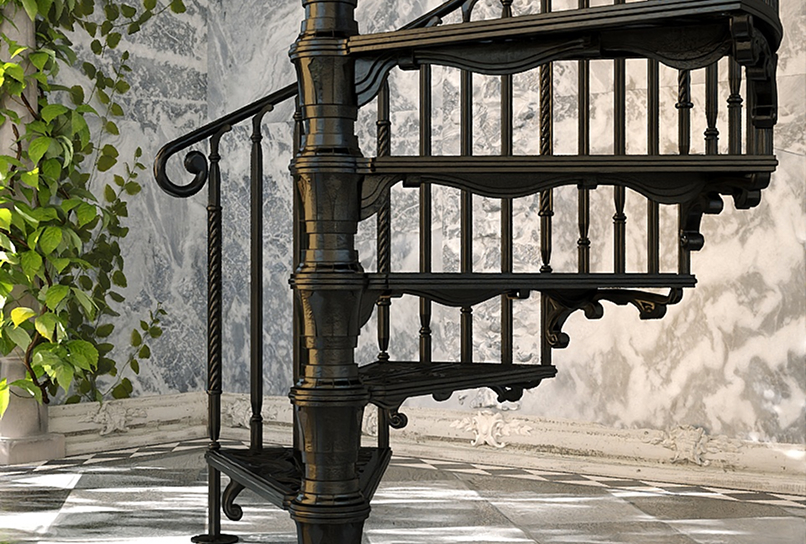
Staircase Maintenance: A Guide to Long-Term Safety and Performance

Why Staircase Maintenance Matters
Like every other part of a building, staircases require regular maintenance to ensure they remain safe, functional, and visually appealing. Neglecting this maintenance can lead to a range of issues, from unsightly dirt and grime buildup to potentially dangerous structural problems. Identifying and addressing wear early keeps small issues from becoming serious hazards.
Regular Cleaning and Inspection
Dust and dirt left to settle on a staircase for extended periods become compacted and harder to remove. This is especially true outdoors, where debris from the surrounding environment collects in the joints and nooks of the stairs. Cleaning frequency should match traffic and environment: high-traffic staircases, and those in dustier climates, need more frequent attention.
Beyond routine dusting, a staircase occasionally needs a deeper clean. Apply a diluted, pH-neutral cleaning solution with a soft cloth or sponge, focusing on areas with stubborn dirt, smears, or fingerprints. Wring the cloth well to avoid oversaturating the material, then wipe the area down with a clean, damp cloth to remove any soap residue. Avoid harsh chemicals or abrasive tools, which can scratch, discolor, or otherwise damage the finish.
Routine Structural Inspections
Periodic structural inspections catch wear before it becomes a safety issue. A well-maintained staircase is less likely to develop loose railings, uneven treads, or other hazards that lead to injury, and routine inspection extends the life of every component.
During an inspection, look for:
- Corrosion: Rust, discoloration, or flaking on metal surfaces, which weakens structural integrity over time and should be addressed promptly
- Wear: Scuffs, scratches, or worn areas on treads, risers, and handrails; some wear is normal, but excessive wear can signal loose or damaged components underneath
- Structural shifts: Wobbling, creaking, or visible gaps between components, which signal instability and shouldn’t be left unaddressed
If an inspection turns up loose or damaged components, repair or replace them without delay. This may mean tightening screws or bolts, filling small cracks or chips, or replacing severely worn parts. For replacement components, always contact the original manufacturer to ensure a proper fit.
Repairing and Replacing Worn Components
Even with regular cleaning and inspection, some components eventually wear down and need repair or replacement. This matters most on high-traffic staircases, or those used by children, older adults, or anyone with mobility considerations. A loose or broken handrail makes it harder to maintain balance on the stairs, and uneven tread surfaces create a tripping hazard, particularly for those with mobility or visual impairments.
Connection points, such as the joints between treads and risers, or the attachment points for spindles, are common places for looseness to develop. Check these regularly, and tighten or replace affected components as needed to preserve the staircase’s structural integrity.
When to Call a Professional
Not every repair is a DIY job. If you’re unsure about the severity of an issue, or how to safely address it, consult a qualified contractor or staircase specialist. A professional can assess the damage, recommend the right course of action, and confirm that any structural repair meets current building code requirements.
Every staircase produced by our team at Iron Shop carries a limited lifetime warranty covering defects in material and workmanship under normal use. Full warranty terms are available on Homeowner Support.
Explore the spiral staircase collection, browsable by series, to find the right fit for your space.
Related entries from The Iron Shop Journal

From the Shop
How a Spiral Staircase Adds Home Value
Does a staircase affect what a home is worth? A well-placed spiral staircase reclaims space, opens up rooms that were never functional, and gives buyers something to remember. We break down how.
From the Shop
Staircase Renovation: Why It Challenges Even the Pros
A staircase renovation involves more than the stairs themselves. Scope, timeline, and material choice all shape the outcome, and overlooking any one of them is where even experienced contractors run into trouble.